

Seven hundred product pages without making anything up: the two-source method
Rewriting hundreds of product pages with AI without inventing data: the official source, the two-source rule, bulk fixes with a dry run and a backup.
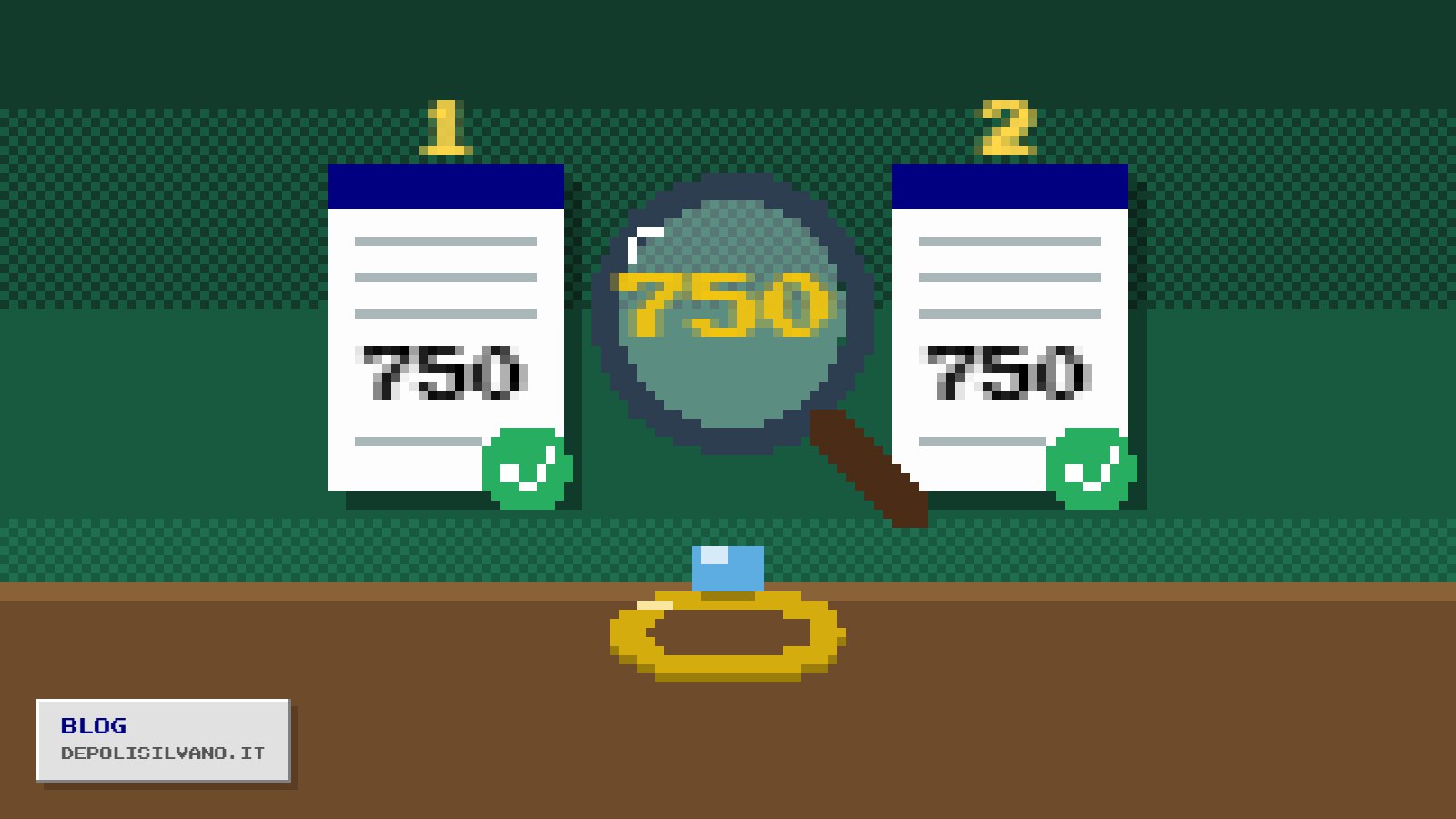
For Oreficeria Ravelli we rewrote about 700 product pages, in Italian and in English. Jewellery and watches: objects where a wrong detail isn't a typo, it's a promise the shop can't keep. That's why rule number one was written above everything else: no invented information.
It sounds obvious. But artificial intelligence, if you ask it the diameter of a watch case it doesn't know, doesn't answer “I don't know”. It answers “40 millimetres”, in the tone of someone who measured it yesterday with a pair of callipers.
The two-source method
- You start from the brand's official website. If the model is in the catalogue, those are the figures, full stop.
- If the model is discontinued, a detail goes into the page only if it matches across at least two independent sources.
- If the sources disagree, you don't pick by gut feeling: you flag it, and someone goes and looks at the real object, in the shop window.
- Synthetic stones are declared as synthetic. Always. Even when “lab grown” sounds better in every language.
It's the method of the local newspaper reporter: village gossip isn't news until the woman at the newsagent's confirms it too.
The bulk fix
In the pages, gold appeared as “18kt”. It had to be written the correct way: 750/1000. Replacing it takes a second, and that's exactly why it's frightening. The field to fix appeared in 1,099 places in the catalogue.
- First a dry run: the script lists what it would change, without changing anything.
- Then a backup of the original values, so everything can be rolled back in one go.
- And a whole-word search: an item code like “CB5018KT” contains “18KT”, but it isn't gold. It's a code. A careless replacement would have turned it into something very precious and completely non-existent.
The script finds, shows, and waits for the go-ahead. Like a bomb disposal expert: it cuts the wire only after reading the colour twice.
Reread everything, always
On another job, a series of video descriptions prepared with AI, a sentence from the chatbot had been left at the bottom of one text: “Would you like me to create a detailed report…?”. There it was, published, between the chapters and the hashtags, with the courtesy of a waiter asking if you'd like dessert while you're already paying at the till.
AI writes quickly and well, but it doesn't know what “published” means. The person who rereads does. And product pages, before they reach the shop window, pass under that person's eyes.
What's left
Clearer pages, consistent in tone, translated and, above all, true. The customer who reads “750/1000” and receives a ring in 750/1000 gold doesn't write gushing reviews. They simply come back. It's the best review there is.
This article was first published on depolisilvano.it, Silvano De Poli's blog.