

A fifteen-year-old website: what to throw out before the move
Renovating a years-old website: dead widgets, defunct feeds, Flash videos, hidden spam links and endless logs. What to remove and what to keep: the URLs.
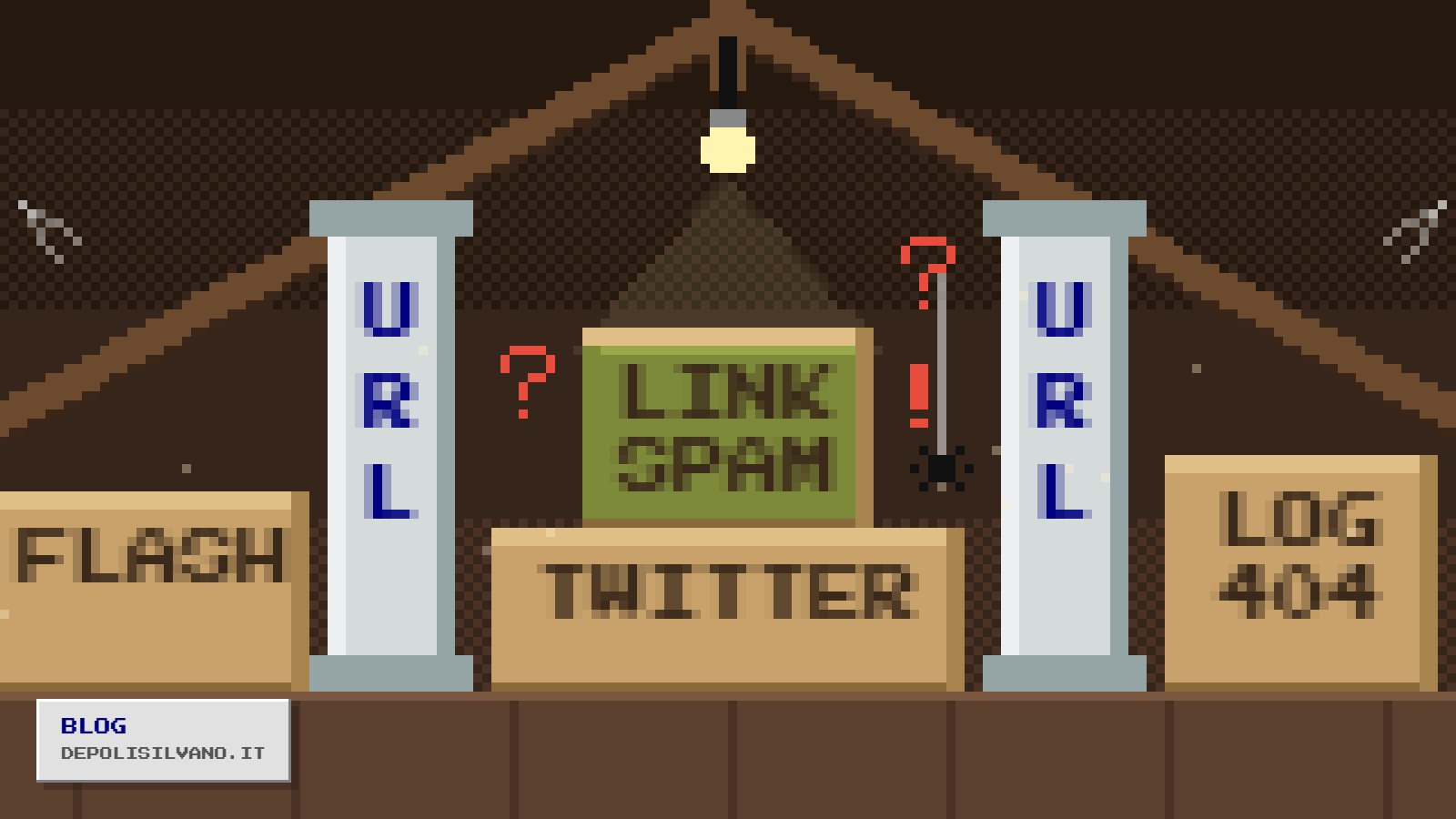
A fifteen-year-old website is like an attic: everything is in there, and for half of it nobody remembers what it was for. Tenera Erbetta is a satire archive born in 2006, with 22,144 articles. Before moving it to Joomla 6 we did what you do in every serious house move: open the boxes and decide what to throw out.
The attic inventory
- 75,281 lines of 404 error log, piled up over the years. A meticulous list of pages that don't exist, kept with the care of a solicitor's archive.
- 11 Twitter widgets dead since 2013. Nobody had noticed, because on the web an empty box just looks like a shy box.
- 88 news feeds connected, of which only 43 were still alive. The others answered like certain phone numbers: it rings, and rings, then silence.
- 760 tracking pixels from a service shut down years ago, still there measuring nothing at all.
- 11 Flash videos, a technology browsers no longer read. In their place, an honest note: “video no longer available”.
The surprise in the drawer
In a corner of the page there was a module called “SEO LINKS”. It looked like a helping hand for Google. It was a list of links to unrelated sites, in other words link spam, and Google has no sense of humour about these things. It's like finding a box in the attic marked “family memories” with flyers inside from a pizzeria you've never heard of.
What you never throw out: the URLs
With the version upgrade, the system that builds the page addresses was changing. Expected result: about 22,000 articles that would have answered “page not found”. It could have been patched with twenty-two thousand redirects. We took another route: a made-to-measure plugin that rebuilds exactly the same addresses as before. No redirects, no waiting. As far as Google is concerned, the site has just changed the wallpaper.
A move that survives second thoughts
All the work was done on a test copy that a script rebuilds from scratch in three to five minutes. You try, you break, you redo, with the serenity of someone who always has a “start again” button within reach. And the old site stayed parked, ready to go back into service in an instant if anything went wrong.
One last detail: after the fix, some visitors were still seeing the error. The cache had photographed the broken pages and kept showing them proudly, like the family portrait with the cousin who has since sorted himself out. Once the cache was emptied, the portrait was updated.
The attic rule
Before redoing an old site you don't ask “what shall we add?”, but “what's in here?”. You throw out what's dead, keep what's alive and never touch the addresses. Those are the load-bearing walls: you can repaint everything, but move them and the roof comes down.
This article was first published on depolisilvano.it, Silvano De Poli's blog.